

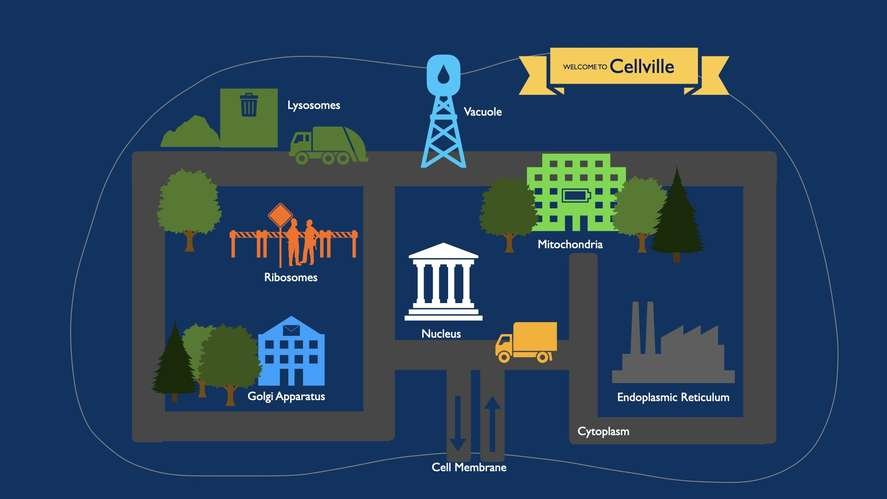
In the bustling world of biology, “cell city” serves as a vibrant metaphor for the intricacies of cellular structures and functions. Just like a city teeming with activity, our bodies are made up of a vast array of different cells, each with its own unique role to play. Picture the bustling avenues of the cell membrane, the bustling factories of the endoplasmic reticulum, and the busy power plants of the mitochondria. Through this analogy, we gain a deeper appreciation for the complexity and synergy of the microscopic world within us.

Exploring the Fascinating World of Cell City
Welcome to Cell City, a bustling metropolis that exists within every living organism on Earth! In this blog post, we will take an exciting journey through the intricate inner workings of cells and discover how they resemble a busy city full of life and activity. Join us as we delve into the fascinating world of Cell City and uncover the secrets that make up the building blocks of life!
The Basics of Cell City
Imagine a city filled with different neighborhoods, each with its own unique functions and roles. In Cell City, these neighborhoods are represented by various organelles, which are like the different buildings and facilities that make up a city. Let’s take a closer look at some of the key players in Cell City:
The Nucleus – The City Hall
The nucleus is like the city hall of Cell City. It serves as the control center, housing the cell’s genetic material and overseeing all activities within the cell. Just like city hall governs the city’s laws and regulations, the nucleus contains the cell’s DNA, which provides instructions for all cellular activities.
The Mitochondria – The Power Plants
Think of mitochondria as the power plants of Cell City. These organelles are responsible for generating energy in the form of ATP, which fuels various cellular processes. Without mitochondria, cells would not have the energy they need to carry out their functions effectively.
The Endoplasmic Reticulum – The Transport System
The endoplasmic reticulum is like the transportation network of Cell City. It consists of a series of interconnected membranes that help transport proteins and other molecules throughout the cell. Just as roads and highways allow vehicles to move around the city, the endoplasmic reticulum ensures that essential molecules reach their destination within the cell.
Life in Cell City
Now that we’ve covered the basic structures of Cell City, let’s explore what life is like for the inhabitants of this microscopic metropolis. Cells are constantly at work, carrying out a wide range of functions to keep the organism healthy and functioning properly. From producing energy to fighting off infections, cells play a vital role in maintaining life.
Cellular Communication
Communication is key in any city, and Cell City is no exception. Cells communicate with one another through chemical signals, enabling them to coordinate their activities and respond to changing conditions in the environment. This communication network ensures that cells can work together efficiently to carry out complex tasks.
Cell Division
Just like cities grow and expand over time, cells in Cell City also have the ability to divide and reproduce. Cell division is a crucial process that allows organisms to grow, repair damaged tissues, and replace old or worn-out cells. Through the process of mitosis, a single cell can give rise to two identical daughter cells, each with its own set of organelles and genetic material.
The Immune System
In Cell City, the immune system acts as the city’s defense mechanism, protecting the inhabitants from foreign invaders such as harmful bacteria and viruses. Specialized cells called white blood cells patrol the streets of Cell City, identifying and neutralizing any threats to the organism’s health. This constant vigilance helps keep Cell City safe and secure from potential dangers.
Challenges in Cell City
While Cell City is a well-organized and efficient community, it is not without its challenges. Cells face a variety of threats, ranging from environmental toxins to infectious agents, that can disrupt their normal functions and cause harm to the organism. Understanding these challenges is essential for maintaining the health and well-being of Cell City.
Oxidative Stress
Oxidative stress occurs when cells are exposed to high levels of reactive oxygen species, which can damage cellular components such as DNA, proteins, and lipids. This damage can lead to a variety of health problems, including aging and chronic diseases. To combat oxidative stress, cells in Cell City produce antioxidants that help neutralize harmful molecules and protect the cell from damage.
Inflammation
Inflammation is a natural response of the immune system to injury or infection, but chronic inflammation can be harmful to cells in Cell City. Prolonged inflammation can lead to tissue damage and contribute to the development of diseases such as arthritis and heart disease. Cells work together to regulate inflammation and prevent excessive damage to the organism.
Aging
As cells in Cell City age, they undergo changes that can affect their function and vitality. The accumulation of cellular damage over time can lead to age-related diseases and decline in organ function. Understanding the mechanisms of aging and finding ways to promote healthy aging are important goals for researchers studying the biology of Cell City.
In conclusion, Cell City is a complex and dynamic community that plays a vital role in the survival and well-being of all living organisms. By exploring the inner workings of cells and understanding how they function together, we gain valuable insights into the fundamental processes that govern life itself. Just as a city relies on the cooperation and coordination of its residents, cells in Cell City work together to maintain the delicate balance that sustains life. So, the next time you look through a microscope and see the bustling activity of Cell City, remember the incredible world that exists within each and every one of us!
Thank you for joining us on this journey through the fascinating world of Cell City. Stay tuned for more exciting adventures in the world of science!
Cell City
Frequently Asked Questions
What is a Cell City and how is it structured?
A Cell City is an analogy used to represent the different organelles within a cell as various structures found in a city. In this analogy, the cell membrane is compared to a city border, while organelles like the nucleus, mitochondria, and endoplasmic reticulum are likened to buildings performing specific functions within the cell.
What role does the cell membrane play in Cell City?
The cell membrane acts as the outer boundary of Cell City, controlling what enters and exits the cell. It is like a security checkpoint in a city, regulating the movement of substances in and out of the cell to maintain internal balance.
How do organelles like the mitochondria contribute to Cell City?
Mitochondria are like power plants in Cell City, responsible for generating energy (ATP) for the cell. Just as a city needs power to function, mitochondria provide the energy needed by the cell to carry out its various activities.
What is the significance of the nucleus in Cell City?
The nucleus is like the control center of Cell City, housing the cell’s genetic material and controlling cell activities. It directs the functions of other organelles and plays a crucial role in cell division and growth.
Final Thoughts
In conclusion, exploring the intricate world of Cell City unveils a fascinating and dynamic landscape where organelles work harmoniously like a well-oiled machine. The specialized functions of each organelle contribute to the overall functioning and survival of the cell city. This analogy not only simplifies the complexity of a cell but also highlights the importance of teamwork and collaboration within our own communities. By understanding the intricate workings of Cell City, we gain a deeper appreciation of the remarkable similarities between cellular and societal structures.