

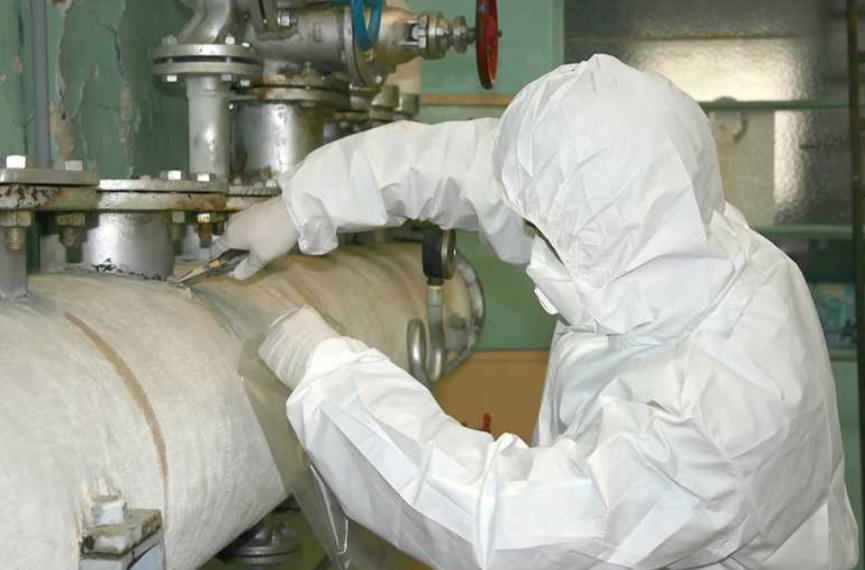
Asbestos is a hazardous material commonly found in older buildings, including homes, offices, and industrial properties. Disturbing asbestos-containing materials can release harmful fibers into the air, posing serious health risks such as lung disease and cancer. Conducting a quick and reliable asbestos test ensures the safety of residents, employees, and visitors. It also helps property owners comply with safety regulations and avoid potential legal liabilities.
What Are the Most Effective Methods for Asbestos Testing?
Reliable asbestos testing involves a combination of methods tailored to the type of property and suspected materials. Bulk sampling involves collecting material from walls, ceilings, or insulation for laboratory analysis. Air monitoring measures the concentration of airborne asbestos fibers to assess immediate exposure risks. Surface sampling checks areas such as floors or furniture for contamination. Using a combination of these methods provides a comprehensive understanding of the asbestos situation in any property.
How Does Laboratory Analysis Guarantee Accurate Results?
Once samples are collected, professional laboratories analyze them using precise techniques such as polarized light microscopy (PLM) and transmission electron microscopy (TEM). PLM is effective for identifying asbestos in bulk materials, while TEM offers highly sensitive detection for airborne fibers. Using certified laboratories ensures accuracy and regulatory compliance, giving property owners confidence in the results and guiding proper remediation strategies.
Why Is Speed Important in Asbestos Testing?
Quick testing is crucial, especially during renovation, property sales, or maintenance work. Delays in detection can increase exposure risks and complicate project timelines. Modern testing services provide fast turnaround times without compromising accuracy, allowing property owners to make informed decisions promptly. Rapid testing also helps prioritize areas that require immediate attention, ensuring a safe environment as soon as possible.
What Role Does Professional Expertise Play in Testing?
Asbestos testing should always be conducted by trained and certified professionals. Experts understand proper sampling techniques, laboratory requirements, and safety protocols. Professional oversight ensures that the testing process is thorough, minimizes contamination risks, and produces results that are legally defensible. Expertise also helps interpret results accurately and determine the most appropriate mitigation or removal strategies.
How Can Property Owners Minimize Risks After Testing?
Once asbestos is detected, risk management is essential. Materials in good condition may be managed in place with careful monitoring, while damaged or friable asbestos requires immediate remediation. Proper containment, removal, and disposal procedures reduce exposure risks. Property owners should also maintain records of testing and remediation efforts, ensuring ongoing compliance with health and safety regulations.
Why Are Reliable Testing Services an Investment in Safety?
Investing in quick and reliable asbestos testing protects both people and property. Early detection reduces health hazards, prevents costly legal issues, and minimizes disruption during renovations or maintenance. It also builds trust with tenants, employees, and potential buyers, demonstrating a commitment to safety and regulatory compliance.
What Makes a Testing Service Truly Reliable?
A reliable testing service combines speed, accuracy, and professional expertise. Using certified laboratories, standardized sampling methods, and experienced personnel ensures consistent and trustworthy results. Transparent reporting and actionable recommendations allow property owners to address hazards effectively and confidently.
Conclusion: Why Prioritize Quick and Reliable Asbestos Testing?
Quick and reliable asbestos testing is essential for maintaining a safe property environment. By leveraging professional expertise, accurate laboratory analysis, and effective risk management strategies, property owners can detect hazards early, protect occupants, and comply with safety regulations. Prioritizing testing ensures both immediate safety and long-term peace of mind, making it a crucial step in responsible property management.